Source Eco Friendly Folded Kitchen Paper Towel for Home, Commercial, Kitchen
Compare 30 listings of eco friendly folded kitchen paper towel from verified Chinese manufacturers. Options include 2-ply recycled pulp, various GSM weights, and customizable packaging for household and commercial needs.
Key considerations
Products List


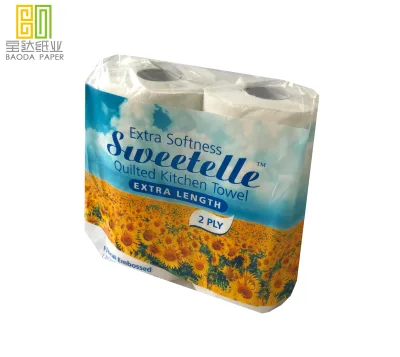
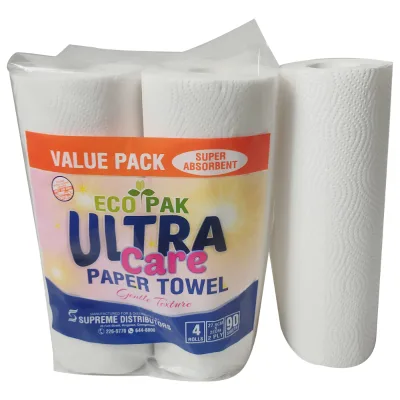
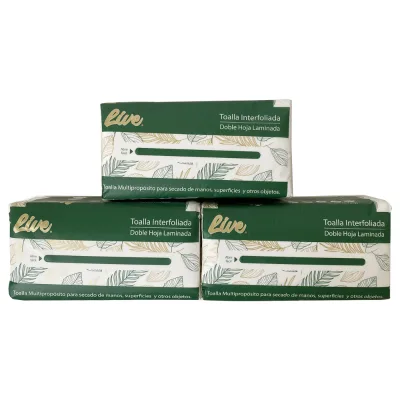
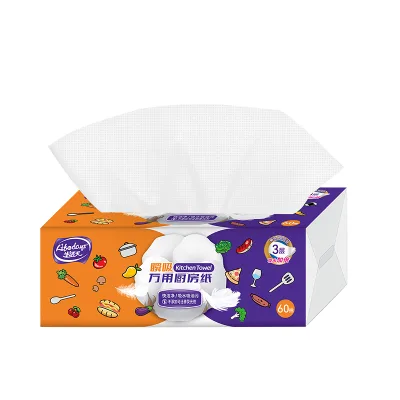


Comprehensive Sourcing Guide
Strategic Sourcing Guide for Eco-Friendly Folded Kitchen Paper Towels
Understanding Product Specifications and Material Composition
When sourcing eco-friendly folded kitchen paper towels, the primary objective is to align technical specifications with sustainability goals without compromising functional performance. The market offers a diverse range of configurations, but the core product definition centers on a folded format designed for kitchen utility. Based on available market data, the physical structure of these towels typically involves a two-ply construction, which provides the necessary absorbency and tear resistance required for household and commercial kitchen tasks. The material composition is a critical differentiator; while some variants utilize virgin wood pulp to ensure high purity and strength, others are manufactured using recycled pulp or mixed pulp to enhance their environmental profile. Buyers must verify the specific material blend for each supplier, as the term "eco-friendly" can apply to both recycled content and virgin pulp sourced from responsibly managed forests.
The basis weight, often measured in grams per square meter (GSM), is a vital metric for determining the density and durability of the paper. Observed specifications in the current market indicate a basis weight range typically falling between 18 and 30 GSM, with specific product models citing values such as 23 GSM or 24 GSM. This range suggests a balance between thinness for cost efficiency and thickness for absorbency. The product shape is explicitly defined as folded, often available in roll formats that are pre-folded for dispensing. The color profile is predominantly white, though multicolor options with patterns are available for branding or aesthetic purposes. Additionally, the core structure usually includes a cardboard core, and the net content per piece is standardized, often ranging between 150g and 200g per piece in bulk packaging. The product is inherently disposable and flavorless, ensuring it is safe for food-contact environments.
Compliance, Certification, and Environmental Standards
In the realm of eco-friendly paper products, compliance with international standards is not merely a regulatory formality but a market entry requirement. Buyers must rigorously verify the certifications held by potential suppliers to substantiate environmental claims. The supply chain data indicates that reputable manufacturers often hold ISO 9001 for quality management and ISO 14001 for environmental management systems. Furthermore, specific social compliance certifications such as BSCI (Business Social Compliance Initiative) and FSC (Forest Stewardship Council) are frequently cited as indicators of ethical sourcing and sustainable forestry practices. While some product listings reference SGS testing standards, it is essential to distinguish between the manufacturer's internal quality control and third-party verification.
The "eco-friendly" attribute is often supported by the biodegradability of the product. Since the material is derived from paper pulp, whether virgin or recycled, the product is generally biodegradable. However, buyers should not assume this status without explicit confirmation from the supplier's technical data sheet. The presence of certifications like FSC is a strong indicator that the virgin wood pulp originates from responsibly managed forests, but this must be verified against the specific product batch. It is crucial to note that while some suppliers list "Customer order" as a standard, implying flexibility, others adhere to strict international standards like SGS. Buyers should request current, valid certificates for ISO 9001, ISO 14001, and BSCI before finalizing any procurement contract, as these documents provide the necessary audit trail for sustainability claims.
Cost Drivers and Pricing Dynamics
The pricing structure for eco-friendly folded kitchen paper towels is influenced by a complex interplay of material costs, production complexity, and order volume. The observed price range in the market spans from approximately $0.21 to $1.08 per unit, reflecting significant variation based on the specific configuration and quality tier. Several key factors drive these costs. First, the choice of material is paramount; virgin wood pulp generally commands a higher price point than recycled or mixed pulp due to processing costs and raw material availability. Second, the basis weight directly impacts the amount of raw material used per unit; a 30 GSM towel will inherently cost more than an 18 GSM variant.
Packaging and customization are also significant cost drivers. The product is available in various packing configurations, such as individual wrapping, 2 rolls per pack, or 3 rolls per pack, with bulk options like 12 rolls per polybag or carton. Customization features, including printed patterns, multicolor designs, and specific folding styles, add to the manufacturing complexity and cost. Furthermore, the Minimum Order Quantity (MOQ) plays a critical role in unit pricing. The market exhibits a wide MOQ range, from as low as 1 unit for sampling to 50,000 units for large-scale industrial orders. Buyers purchasing in full container loads, such as a 1*40HQ container, may access more favorable pricing tiers compared to those placing smaller orders. The lead time, typically ranging from 10 to 25 days, also influences cost structures, as expedited shipping or rush production orders often incur premiums.
Typical Applications and Usage Scenarios
The versatility of eco-friendly folded kitchen paper towels allows them to serve a broad spectrum of applications, making them a staple in both residential and commercial settings. The primary usage category is the kitchen, where the towels are employed for cleaning spills, drying dishes, and general surface maintenance. The two-ply construction ensures that the towels do not disintegrate easily when wet, a critical feature for kitchen environments where absorbency is paramount. Beyond the kitchen, these products are widely used in general household applications, including bathroom cleaning and general wiping tasks.
In the commercial sector, the demand is substantial for hospitality venues, restaurants, and food processing facilities. The "Commercial Use" designation found in product specifications highlights their suitability for high-traffic areas where durability and efficiency are required. The product is designed for all age groups, making it safe for use in family homes, schools, and public facilities. The "Without Flavor" attribute ensures that the towels do not impart any taste or odor to food or surfaces, which is a non-negotiable requirement for food safety compliance. The folded format is particularly advantageous for commercial dispensers, allowing for easy, one-handed dispensing and reducing waste compared to traditional roll formats. The availability of specific models like "KPT-001" or "BH-KT002" suggests that manufacturers often tailor their product lines to specific dispenser types or usage volumes, further expanding their applicability across different sectors.
Supplier Evaluation and Operational Capabilities
Selecting the right supplier requires a comprehensive evaluation of their operational capabilities, geographic location, and production flexibility. The majority of manufacturers in this sector are located in China, with specific hubs identified in Shanghai and Shandong. These regions offer established supply chains for paper pulp and packaging materials, facilitating efficient production and logistics. When evaluating suppliers, buyers should assess their ability to handle customization requests. The market data confirms that customization is available, allowing for tailored solutions regarding packaging, printing, and product dimensions. This flexibility is crucial for brands looking to differentiate their products in a competitive market.
The production capacity and lead times are critical factors in supplier selection. Typical delivery times range from 10 to 25 days, which buyers must factor into their inventory planning. Suppliers who can consistently meet these timelines while maintaining quality are preferred. Additionally, the availability of samples is a key indicator of supplier confidence and service quality. Many suppliers offer free samples, though buyers should verify if shipping costs are covered or if there are specific conditions for sample provision. The ability to provide samples allows buyers to conduct physical tests on absorbency, strength, and biodegradability before committing to a large order. It is also important to verify the supplier's ability to handle large volume orders, as evidenced by the high-end MOQ of 50,000 units or full container loads. A supplier's track record in handling such volumes without compromising on quality or delivery schedules is a strong indicator of reliability.
Quality Control and Long-Term Procurement Considerations
Maintaining consistent quality is essential for long-term procurement success. Buyers should implement a robust quality control strategy that includes pre-shipment inspections and post-delivery testing. Key quality metrics to monitor include the GSM consistency, ply integrity, and the absence of defects such as holes or uneven folding. The product specifications often cite standards like SGS and ISO, which serve as benchmarks for quality assurance. However, buyers should not rely solely on the supplier's self-reported standards; independent third-party testing is recommended to verify claims regarding biodegradability and material composition.
Long-term procurement considerations extend beyond the initial purchase to include supply chain resilience and sustainability commitments. As environmental regulations tighten globally, suppliers must demonstrate a clear commitment to sustainable practices. This includes the use of recycled materials, energy-efficient manufacturing processes, and responsible waste management. Buyers should engage in ongoing dialogue with suppliers regarding their sustainability roadmaps and ask for updates on their certification status. The ability of the supplier to adapt to changing market demands, such as shifts in material sourcing or packaging regulations, is also a vital consideration. Finally, establishing a clear communication channel for feedback and issue resolution ensures that any quality deviations are addressed promptly, protecting the buyer's brand reputation and ensuring a steady supply of high-quality eco-friendly kitchen paper towels.
Comparative Analysis of Product Configurations
To assist buyers in making informed decisions, the following table compares common product configurations based on available market data. This comparison highlights the variations in material, specifications, and packaging that influence procurement choices.
| Feature | Configuration A | Configuration B | Configuration C |
|---|---|---|---|
| Material | Virgin Wood Pulp | Recycled/Mixed Pulp | Mixed Pulp |
| Basis Weight | 23 GSM | 18-30 GSM (Range) | 24 GSM |
| Ply | 2 Ply | 2 Ply | 2 Ply |
| Color | White | Multicolor | White |
| Packaging | 1 roll/Individual Wrap | 2 rolls/Pack | 12 rolls/Polybag |
| Certification | ISO, SGS | ISO, BSCI, FSC | ISO 9001, ISO 14001 |
| Origin | Shanghai, China | Shandong, China | China |
| MOQ | 1 Unit | 1*40HQ Container | 1-50,000 Units |
| Lead Time | 10-25 Days | 10-25 Days | 10-25 Days |
This table illustrates that while the core functional attributes like ply and usage remain consistent, the material source and packaging options vary significantly. Buyers must weigh the trade-offs between virgin pulp for performance and recycled pulp for sustainability, alongside the logistical implications of different packaging and MOQ requirements. By carefully analyzing these configurations against their specific operational needs, buyers can optimize their sourcing strategy to achieve the best balance of cost, quality, and environmental impact.
FAQs
What materials are used for eco friendly folded kitchen paper towel?
These towels are made from virgin wood pulp, recycled pulp, or mixed pulp. The specific material blend varies by supplier, so buyers must verify the composition to ensure it meets their sustainability or strength requirements.
How many plies do these paper towels typically have?
The standard construction is two-ply, providing necessary absorbency and tear resistance. This two-ply design ensures the towels do not disintegrate easily during wet cleaning tasks in kitchen environments.
Which certifications verify the eco-friendly claims of these products?
Reputable suppliers often hold ISO 9001, ISO 14001, BSCI, and FSC certifications. Buyers should request current certificates to verify ethical sourcing and environmental management systems before finalizing any procurement contract.
Can I customize the packaging and printing on these towels?
Yes, customization is available for packaging, printing, and folding styles. Suppliers offer options like individual wrapping or bulk packs with custom patterns, though this adds to the manufacturing complexity and cost.
What is the typical basis weight range for these paper towels?
The basis weight typically ranges from 18 to 30 GSM, with specific models citing 23 or 24 GSM. This range balances thinness for cost efficiency with the thickness required for adequate absorbency.
How long does delivery take for bulk orders of these towels?
Typical delivery times range from 10 to 25 days after order confirmation. Buyers must factor this lead time into their inventory planning, especially for large-scale industrial orders requiring full container loads.